Spring
Spring: green, mild, graphic
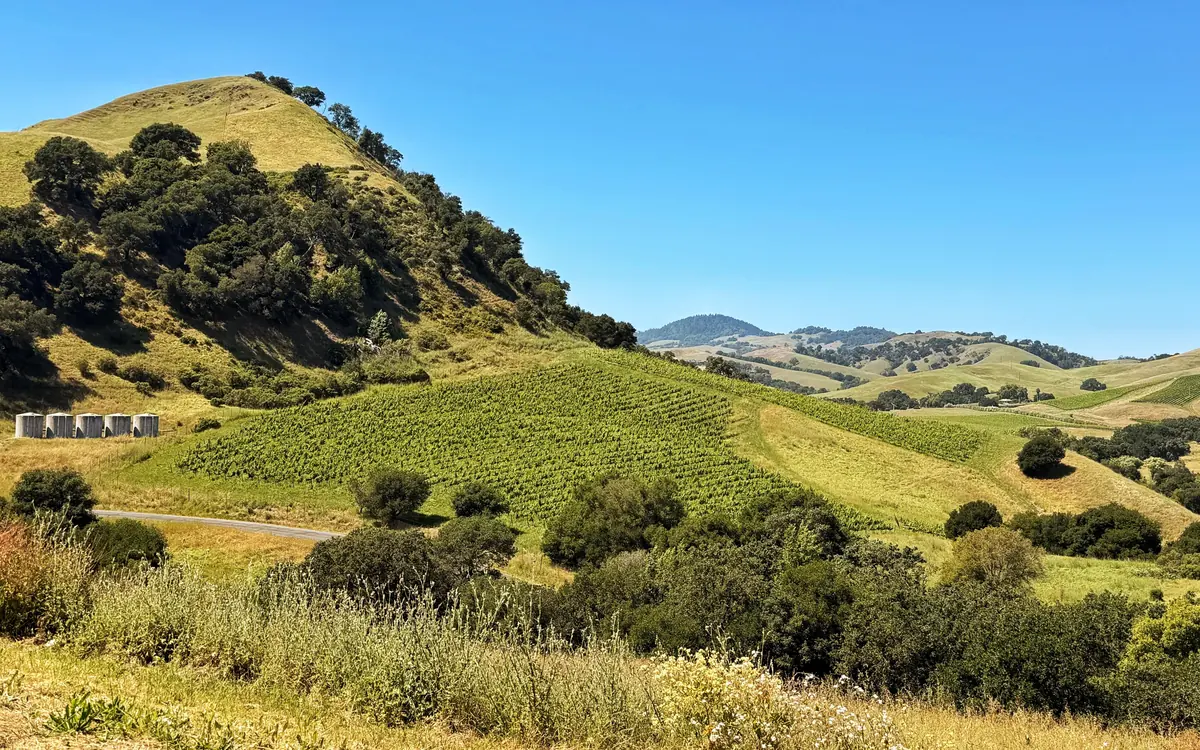
Cool rather than cold on the field, the hills green after the wet months, and bare or leafing rows making the valley read as pattern from above.
Best time
The best time question has two halves, and only one of them is about the calendar. The hour is fixed: balloons over this valley go up at first light, because that is when the air above the valley floor is settled. By the middle of the day the ground has warmed and the air moves, and a balloon cannot work in it. That is physics, not scheduling. The month, though, is yours to choose, and it changes three things: how cold you are standing on the field, what the valley looks like underneath you, and how busy the roads and tasting rooms are afterwards. Below is the year as it usually reads in Napa Valley — dry warm summers, harvest through autumn, cold and often foggy winter mornings, green spring after the wet months. What follows is not a forecast for your date, and nothing on this page promises that any particular morning will fly: that call belongs to the pilot on the day.
Quick answer
The short version. Any month can be the best time, and the differences are smaller than people expect, because you are always flying in the first hour of the day. If you want the most comfortable standing-around on the field and the longest run of dry mornings, aim at the summer half of the year. If you want the valley at its most alive on the ground — fruit coming in, tasting rooms at full tilt — aim at harvest in the autumn and book everything earlier than you think you need to. If you want the valley quiet and green and you do not mind the cold, come in the wet half of the year and give yourself more than one morning in the valley, because winter mornings here are cold and often foggy and some of them are stood down. The flight is $288 at 4.8 across 128 reviews in every one of those months, and Free cancellation is stated on the listing.
The hour
Every page about timing in this niche should start here, because the hour explains most of what follows.
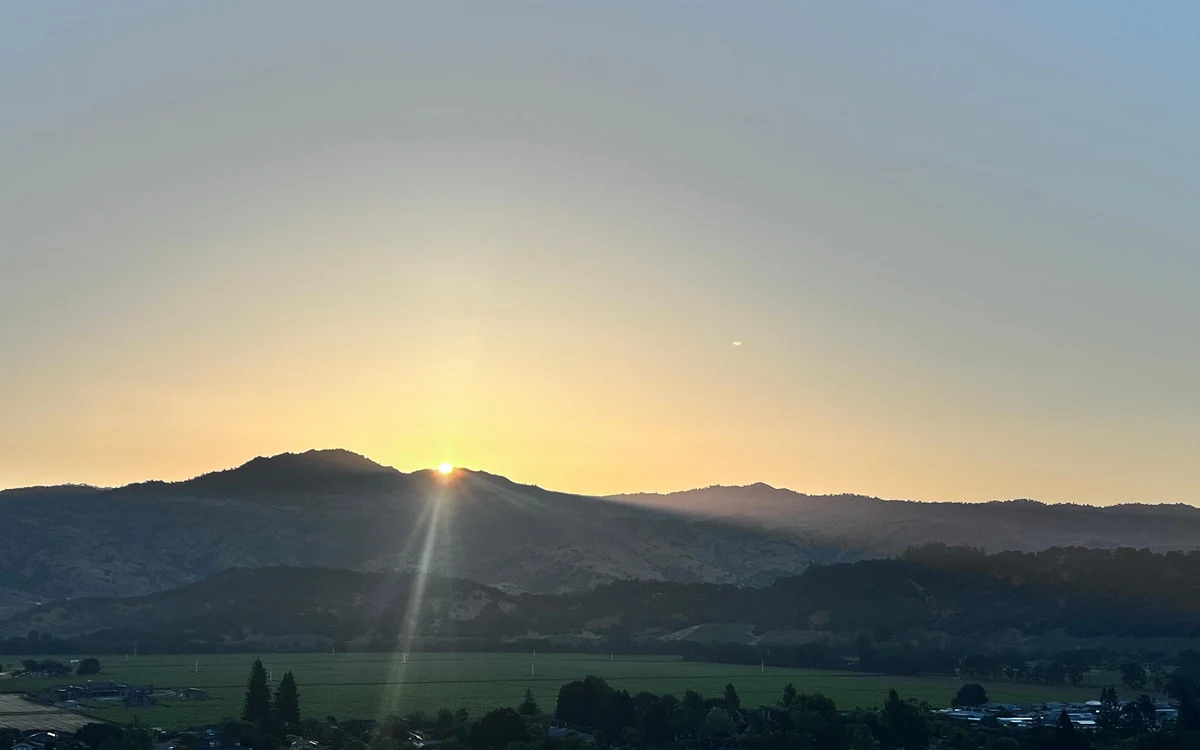
Cold air is still air. Overnight the valley floor cools and the air above it stops moving around. That is the window a balloon needs: a pilot is steering with altitude and wind layers, and both behave predictably in settled air. First light is when that condition exists.
Warm ground is moving air. Once the sun is on the hillsides, the ground heats unevenly, the air starts rising in columns, and a balloon has nothing stable to work with. This is why you will not find an afternoon option, in any month, anywhere in this valley. The listing runs four hours thirty minutes and it starts in the dark.
What that means for choosing a date. You are comparing months by how cold the field is at dawn and how often the valley floor is under fog, not by afternoon temperatures in a weather app. Two months with identical daytime highs can be quite different at five in the morning.
What it means for your plans. The morning is over by mid-morning and the rest of the day is clear of it. In every month, that makes the flight and a wine day on the same date a sensible pairing — the seven wine days on this site run from $99 to $750, and the three-hour train at $410 is the easiest thing to put behind an early start.
The year
Napa Valley is about 50 km long, from the town of Napa in the south to Calistoga in the north, with Mount Saint Helena standing over the top end. It has a long dry season and a wet one, and the vines mark the year more clearly than any thermometer.
Spring. The wet months are ending, the hills are green, and the rows are bare at the start of the season and leafing up by the end of it. Mornings are cool rather than cold. From the air the pattern of the valley is at its most graphic in early spring, because with no canopy you are looking at bare ruled lines and green ground between them.
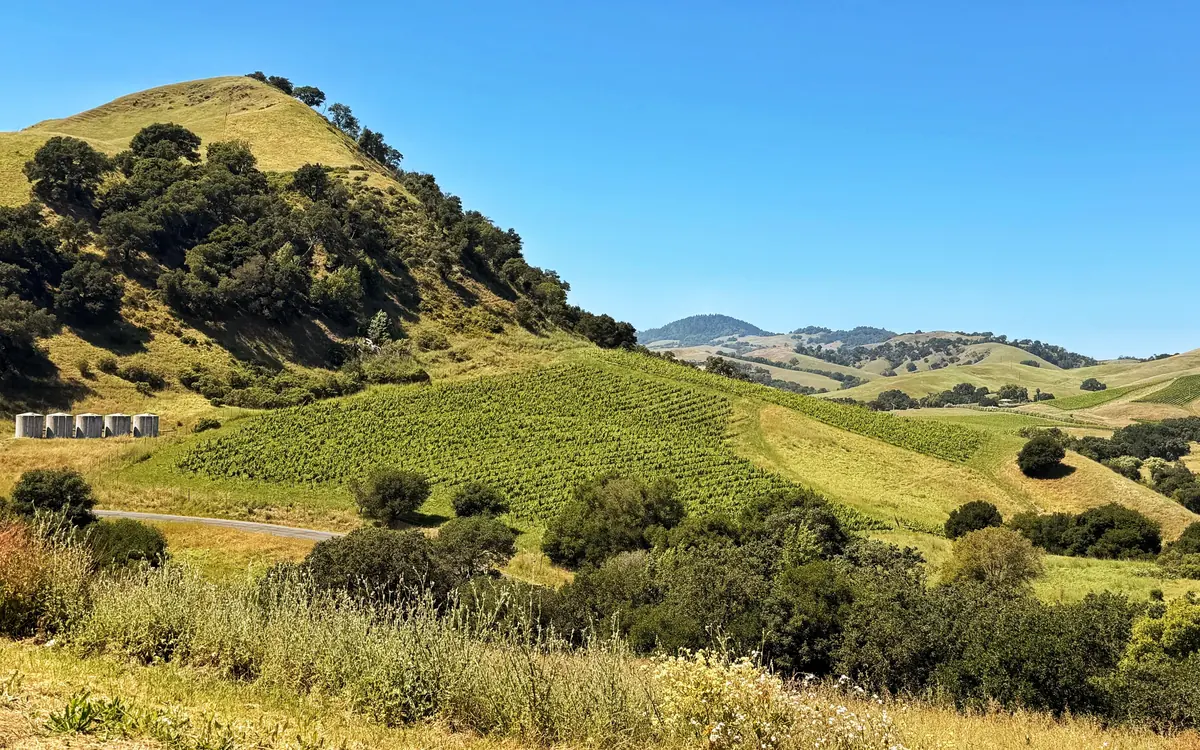
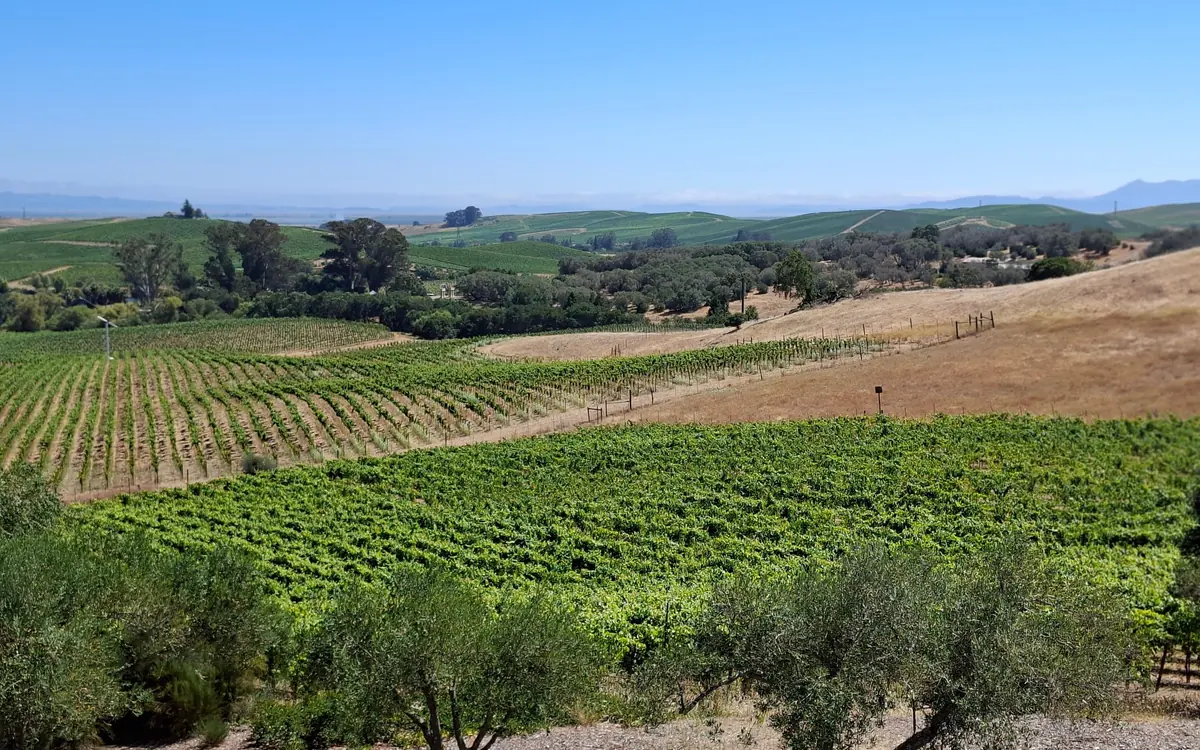
Early summer. The dry season proper. Long daylight, warm days, and dawn that is comfortable to stand in without much thought about clothing. The canopy is full, so the valley reads as blocks of green divided by roads — Highway 29 on the west side, Silverado Trail on the east — and the villages of Yountville, Oakville, Rutherford and St Helena sit in it like stepping stones.
High summer. Hot in the afternoons, which is irrelevant to the flight and very relevant to what you do afterwards. The early hour is the best part of a hot day here, and a wine day behind it is more pleasant if it is a car rather than a coach: $635 and $750 are the private options on this site.
Harvest, into autumn. The crush. Fruit comes off the rows, the valley is working, and the ground-level experience is at its peak — as are the crowds and the pressure on tables. From above, the canopy turns and the tracks between blocks fill with activity. If your priority is Napa Valley at full volume, this is the best time to be here, and the moment to book everything well ahead.
Winter. A different valley wearing the same name. Mornings are cold and the floor can sit under fog or low cloud, which is exactly the condition a balloon morning is most often stood down for. The upside is real: the valley is quiet, the rows are bare and architectural, and the hills are green rather than gold. Come in the cold months by all means, but treat the flight as something to attempt more than once rather than to slot into a single morning.
Season by season
Five bars, and none of them is a forecast. They show how straightforward each part of the year usually is for a first-light start in Napa Valley, and what you get on the ground afterwards.
Spring
Cool rather than cold on the field, the hills green after the wet months, and bare or leafing rows making the valley read as pattern from above.
Early summer
The dry season with comfortable dawns and a full canopy under you. The simplest month to plan an early start around.
High summer
Hot afternoons, which the flight is finished long before. Plan the rest of the day for shade and air conditioning rather than a long coach leg.
Harvest
Fruit coming in, the canopy turning, and the busiest ground-level Napa Valley of the year. Book the morning and your tables further ahead than you think you need to.
Winter
Cold mornings on the field and fog on the valley floor more often than in any other season. Quiet roads and bare rows are the reward; give yourself more than one morning.
The honest part
This is the section that matters most, and the one most pages in this niche skip.
The pilot decides on the day. A balloon morning depends on wind and visibility at the launch field and along the valley, and the person who makes that call is the pilot, at the field, on the morning. No listing, no season and no page can make that decision in advance, and you should be suspicious of any page that talks as though it can.
Which is why the month is a probability, not a plan. Choosing the dry half of the year improves your odds of a settled morning. It does not turn them into a certainty, and one foggy morning in June is not unusual. Treat the calendar the way a sailor treats a pilot book: it tells you what the season usually does, not what your Tuesday will do.
So build slack into the trip. The single most useful piece of planning advice on this page: if the flight matters to you, be in the valley for more than one morning and attempt it on the first of them. People who arrive with one dawn available and no flexibility are the ones who go home disappointed, in every season of the year.
And read the cancellation terms before you pay. What the listings state in writing is Free cancellation, with the window printed on the listing page rather than set by this site. That sentence is worth more to you in January than any monthly average anybody can quote.
What is genuinely fixed. Three things: the fare, which is $288 in every month; the hour, which is first light in every month; and the length, four hours thirty minutes from meeting point back to drop-off.
Choosing your month
Answer these in order and the month picks itself. Not one of them needs a forecast.
The most important question on the page. One morning is a single attempt; three mornings is a plan. If your trip only allows one, weight your choice towards the dry half of the year and book the first available dawn rather than the last.
Harvest gives you Napa Valley at full volume: fruit coming in, every table busy. Winter and early spring give you empty roads and bare rows. Both are good trips; they are not the same trip.
You will be on a field in the dark while the envelope fills, for a good part of an hour. In the warm months that is pleasant in a light jacket. In the cold months it is genuinely cold, and people underdress for it because they are thinking about the afternoon.
Bare ruled rows and green ground in late winter and early spring. Solid green canopy in summer. Turning colour and working tracks at harvest. All three are worth the same fare; they photograph completely differently.
The flight ends by mid-morning in every month. In high summer a private car such as $635 beats a long day on a coach; at harvest the train at $410 takes the pressure off finding a table; in the quiet months $99 is the cheapest way to fill the afternoon.
Harvest is the period when everything in this valley — the morning, the tables, the rooms — goes first. The quiet months are the ones where a late decision still works.
An early start from the valley itself is a short drive. An early start from San Francisco is around 80 km over the Golden Gate Bridge in the dark. In winter, with fog on the road, that matters more than in July.
People search for the best hot air balloon rides in Napa expecting a shortlist to compare; what there is instead is one listing, 128 reviews at 4.8, and a set of terms. Free cancellation is stated on the listing and the window is printed on the page you book. Read it before you pay.
The recommendation
Fine — here is the single answer, with the reasoning attached rather than hidden.
Best all-round: the shoulder either side of summer. Mornings warm enough to stand in, the dry season’s settled air, a full or turning canopy under you and the valley not yet at its most crowded. If somebody made me pick one window of the year and defend it, that is the one I would defend.
Best for the valley itself: harvest. If you are coming for Napa Valley as much as for the air above it, come while the fruit is moving. Everything is busier, everything needs booking sooner, and the place is at its most itself.
Best for quiet and for money elsewhere: the cold months. Empty roads, green hills, bare rows, easier tables. Accept in advance that mornings are cold, that fog on the valley floor is part of the season, and that you want more than one dawn in hand.
What stays the same in all three. $288, four hours thirty minutes, a small group, 4.8 across 128 reviews, first light, and one decision made at the field by the pilot on the morning. Pick the month for the valley you want to see and the day you want to have afterwards — then give yourself room to try again, and read the cancellation window before you pay.
Every trip, current fare
What the morning costs in any month, and the seven ground-level days you can put behind it. Price, length, what is included and price divided by the hour, read off the live listings.
| Tour | Length | Price | What is included | Cost per hour | Rating |
|---|---|---|---|---|---|
| San Francisco: Napa & Sonoma Wine Tour with Optional TastingCheapest way into the valley | 9 h | $99 | Cheapest way into the valley | $11.00 | 4.92 · 20 |
| San Francisco: Premium Small Group Napa and Sonoma Wine TourSmall group, longer in the valley | 9 h | $148 | Small group, longer in the valley | $16.44 | 4.76 · 32 |
| San Francisco: Muir Woods, Napa & Sonoma Full-Day Wine TourRedwoods on the way to the vines | 10 h | $165 | Redwoods on the way to the vines | $16.50 | 4.66 · 1,294 |
| San Francisco: Napa and Sonoma Valley Wine TourBoth valleys in one day | 9 h | $165 | Both valleys in one day | $18.33 | 4.52 · 764 |
| Napa Valley: Hot Air Balloon AdventureBalloon flight over the valley | 4.5 h | $288 | Balloon flight over the valley | $64.00 | 4.78 · 128 |
| Napa Valley Wine Train: Vista Dome Lunch or DinnerLunch or dinner on the train | 3 h | $410 | Lunch or dinner on the train | $136.67 | 4.93 · 9 |
| From San Francisco: Napa Valley Private TourPrivate car from San Francisco | 6 h | $635 | Private car from San Francisco | $105.83 | 4.98 · 46 |
| Private Napa & Sonoma Wine Tour with Local Wine ExpertPrivate day with a wine expert | 7 h | $750 | Private day with a wine expert | $107.14 | 5.0 · 6 |
Want the fares first — what $288 covers and what the seven wine days cost?
See what each fare buys→Book direct
The flight first, then the cheapest way into the valley, the most reviewed listing here and the three-hour train. All four run through the whole year.
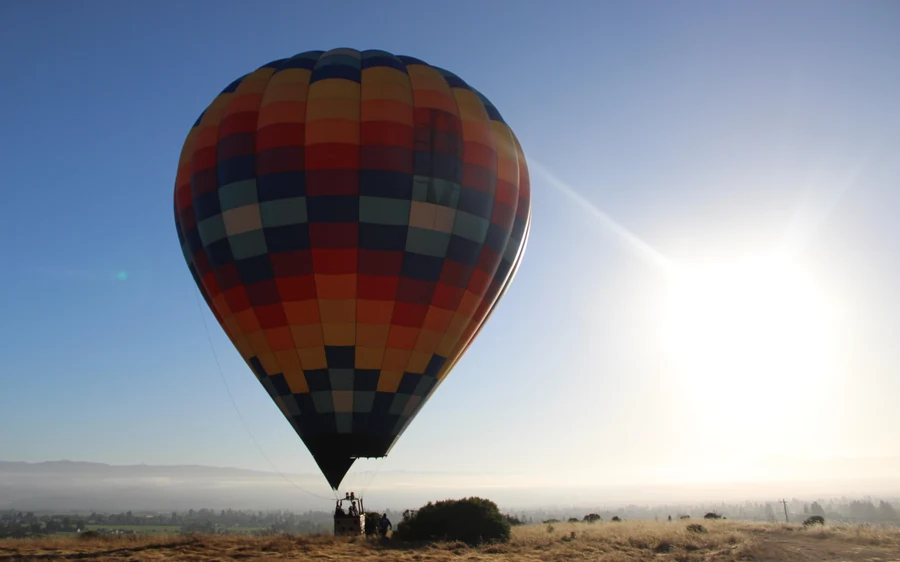
★ 4.78 · 128 reviews
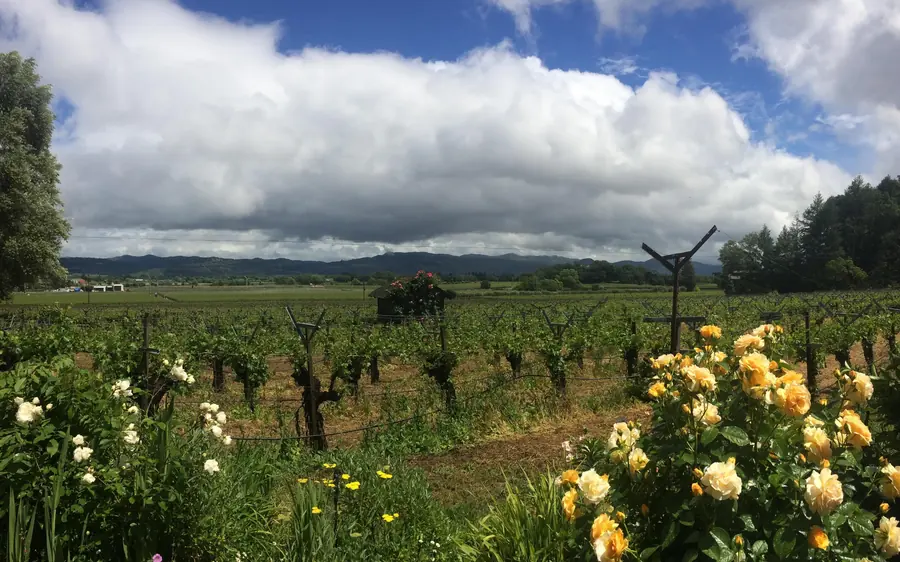
★ 4.92 · 20 reviews
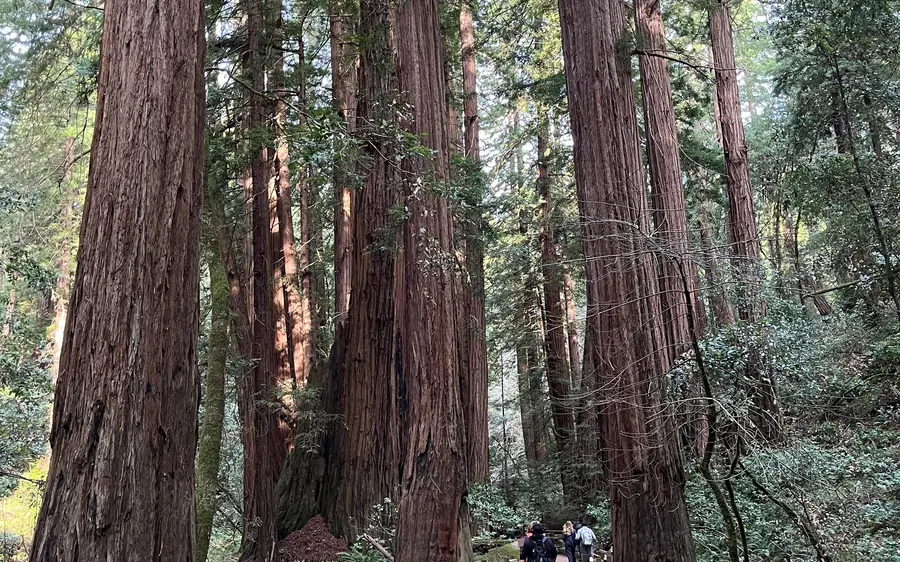
★ 4.66 · 1,294 reviews
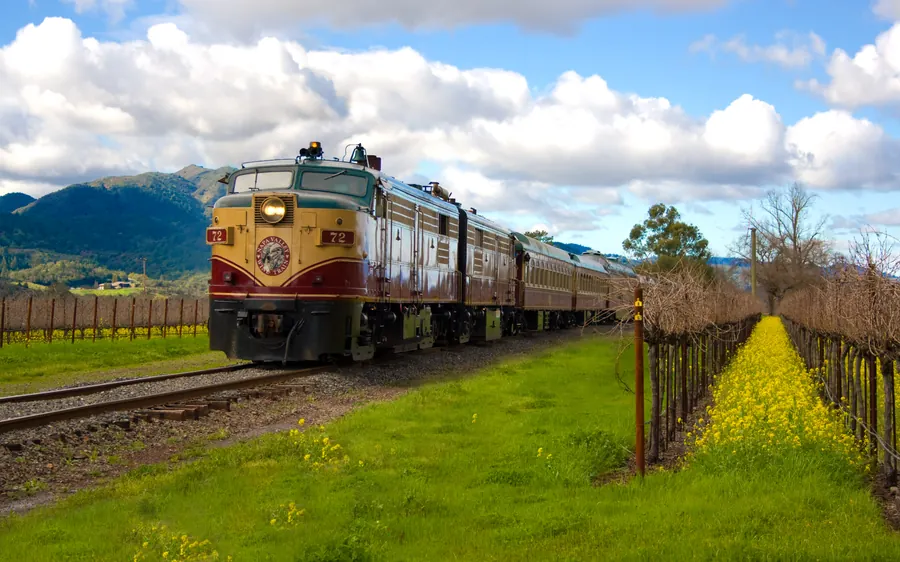
★ 4.93 · 9 reviews
Common questions
The shoulder months either side of summer, if you want one answer: settled dry-season air, mornings warm enough to stand in, and the valley not yet at its busiest. Harvest is the best time for the valley itself, and the cold months are the quietest and cheapest to travel in.
First light, in every month. The air over the valley floor is settled overnight and starts moving once the ground warms, so there is no afternoon option at any time of year.
The listing runs through the year, and winter mornings here are cold with fog on the valley floor more often than in other seasons. That is the season when having more than one morning available matters most.
No page can tell you that. Wind and visibility decide it and the pilot makes the call at the field on the day. Free cancellation is stated on the listing, with the window printed on the page you book.
Not on this listing: $288 is the fare, rated 4.8 across 128 reviews, whatever month you pick.
If the valley on the ground matters to you, yes. Fruit is coming off the rows, the canopy is turning, and the tasting rooms are at their liveliest. Book the morning, your tables and your room a long way ahead.
Layers, and warmer ones than the afternoon forecast suggests. You are outside in the dark while the envelope fills, and the valley is colder at that hour than people expect, especially in the wet half of the year.
The morning is finished by mid-morning, so put a wine day behind it: from $99 for a full day out of San Francisco up to $750 for a private day with a wine expert, or $410 for three hours on the Napa Valley Wine Train.
Go deeper
The whole picture: one flight over the valley, and the eight listings on this site.
The rideWhat the four and a half hours contain, from the meeting point to the landing.
The tourHow the morning is organised, what is included in the fare and what is not.
CaliforniaWhere this sits in California, and how people reach the launch field.
Balloon rideThe basket, the burner and the height: what the air over the vines feels like.
SunriseWhy the launch happens at first light, and what the early hour buys you.
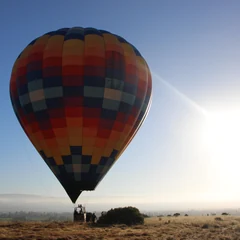
Napa Valley: Hot Air Balloon Adventure
★ 4.78 · 128 reviews · Free cancellation 24 h